CourseCourse IntroductionContentView
2026 · Artificial Intelligence
2026 Evolution Episode 1: Google A2UI: Safe Interactive Interfaces Generated by Agents
This episode introduces Google A2UI, where agents produce declarative JSON interface descriptions instead of executable HTML or JavaScript. It covers…
1videos
Open course
2024 · Artificial Intelligence
2024 Evolution Episode 2: TimeGPT Time-Series Forecasting Model
This episode introduces Nixtla TimeGPT for time-series forecasting, covering API tokens, data format, forecast calls, horizons, and visualization. It…
1videos
Open course
2026 · Artificial Intelligence
2026 Evolution Episode 2: LangChain Deep Agents and Agent Skills
This episode explains Agent Skills in the context of LangChain Deep Agents. It packages domain instructions, metadata, scripts, and templates as reus…
1videos
Open course
2025 · Artificial Intelligence
2025 Evolution Episode 3: AI Models and Providers for NetDevOps
This episode evaluates AIHubMix, Alibaba Cloud Bailian, and SiliconFlow through practical NetDevOps tasks. It covers API integration, basic text gene…
2videos
Open course
2026 · Artificial Intelligence
2026 Evolution Episode 3: OpenClaw for Automated Operations
This episode builds an executable operations agent with OpenClaw. It connects task understanding, tool use, skill loading, and execution feedback int…
1videos
Open course
2025 · Artificial Intelligence
2025 Evolution Episode 4: Smolagents: Letting AI Write Code to Complete Tasks
This episode introduces Hugging Face Smolagents and its code-agent approach. Learners see how an agent decomposes a goal, writes and executes code, c…
1videos
Open course
2024 · Artificial Intelligence
2024 Evolution Episode 5: Building Your Own Custom GPT
This episode builds a task-specific custom GPT through instruction design, knowledge files, capabilities, conversation starters, and iterative testin…
1videos
Open course
2026 · Artificial Intelligence
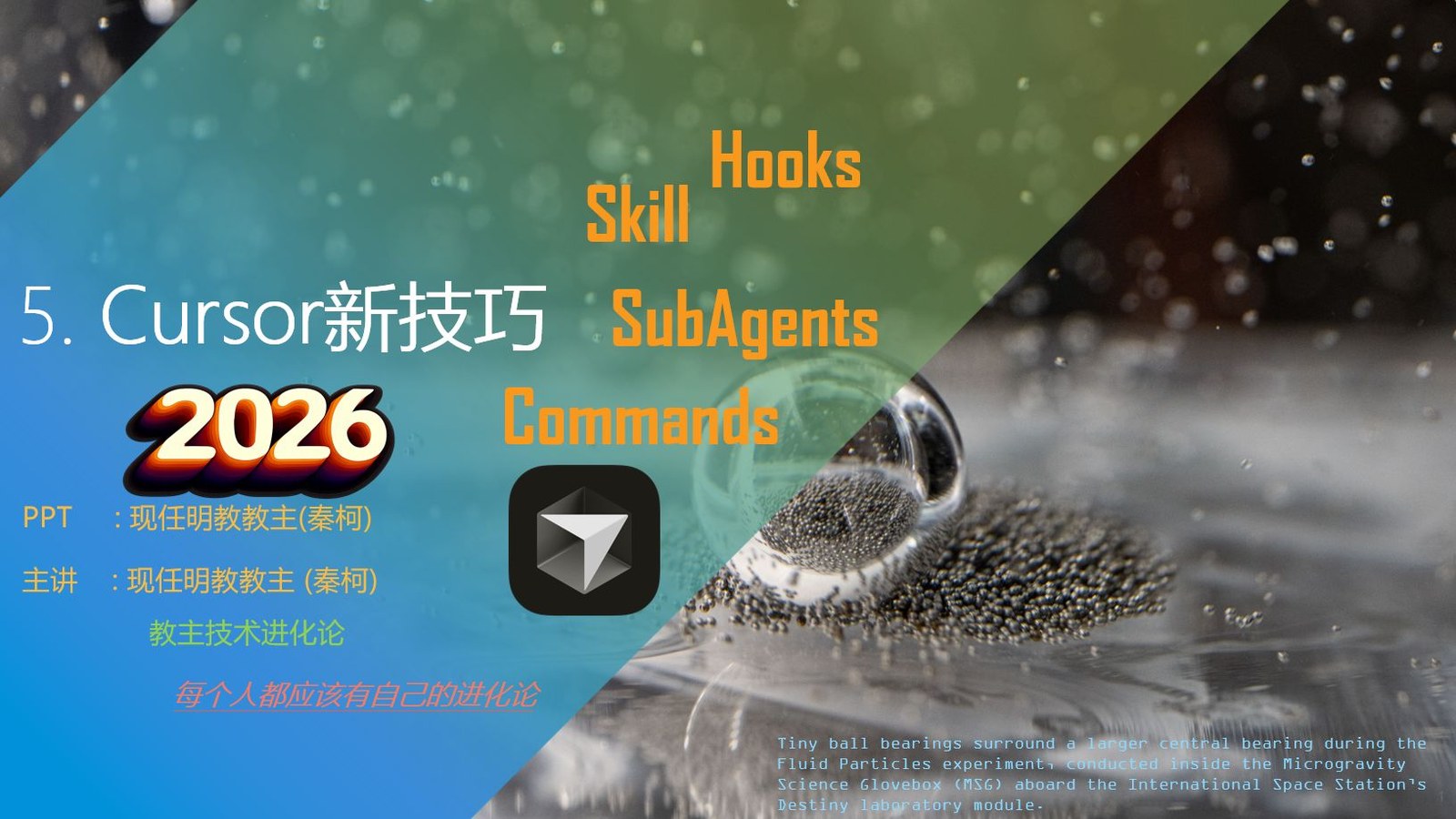
2026 Evolution Episode 5: Advanced Cursor: Skills, SubAgents, Commands, and Hooks
This episode maps the roles of Skills, subagents, commands, and hooks in Cursor. It shows how to package repeatable work, delegate bounded tasks, tri…
1videos
Open course
2025 · Artificial Intelligence
2025 Evolution Episode 6: RAGFlow: An Open-Source RAG Knowledge Framework
This episode walks through RAGFlow from deployment to application: account and model configuration, API keys, knowledge-base creation, document inges…
1videos
Open course
2025 · Artificial Intelligence
2025 Evolution Episode 8: Building AI Agents with the OpenAI Agents SDK
This episode introduces the OpenAI Agents SDK through agents, tools, handoffs, context, and the run loop. It demonstrates combining model reasoning w…
1videos
Open course
2024 · Artificial Intelligence
2024 Evolution Episode 8: AWS Bedrock Managed Generative AI
This episode introduces AWS Bedrock's managed foundation-model platform and unified APIs across Claude, Llama, and Mistral. It covers permissions, mo…
1videos
Open course
2026 · Artificial Intelligence
2026 Evolution Episode 8: NVIDIA SuperPOD B200 and GB200 NVL72 Reference Architectures
This five-part episode analyzes NVIDIA SuperPOD reference architectures for B200 and GB200 NVL72. It covers the system overview, key compute and inte…
5videos
Open course
2025 · Artificial Intelligence
2025 Evolution Episode 9: MCP: A Universal Tool Protocol for the AI Era
This episode explains the Model Context Protocol host-client-server architecture and its JSON-RPC 2.0 resources, tools, and prompts. It compares stdi…
2videos
Open course
2023 · Artificial Intelligence
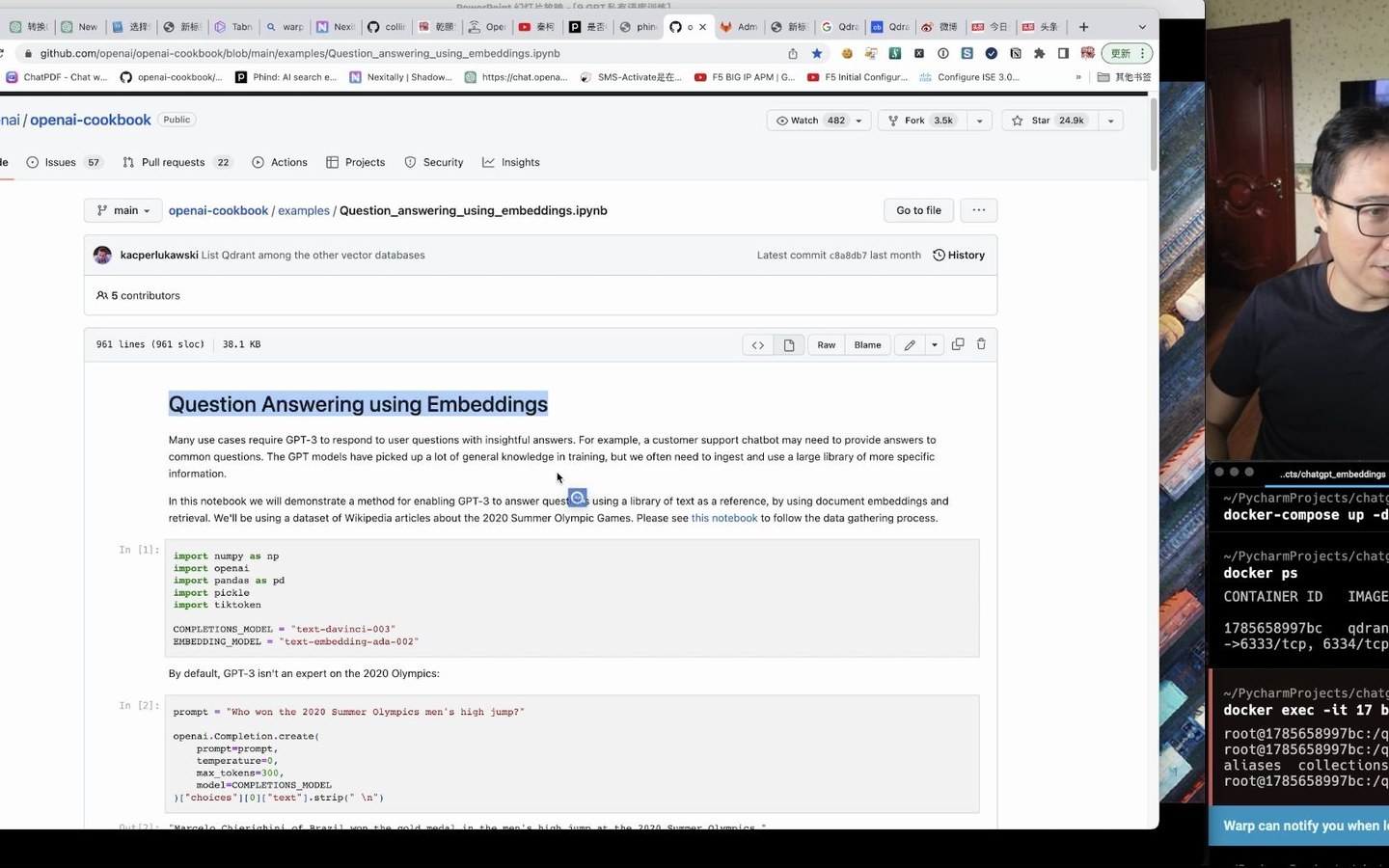
2023 Evolution Episode 9: Private GPT Knowledge Bases with Qdrant
This episode converts private documents into embeddings stored in Qdrant and retrieves relevant context for GPT. It covers text chunking, embeddings,…
1videos
Open course
2026 · Artificial Intelligence
2026 Evolution Episode 9: Building a Q&A Bot with Hermes Agent and DingTalk CLI
This two-part episode builds a question-answering bot with Hermes Agent and the DingTalk CLI. It covers agent and model configuration, tools and skil…
2videos
Open course
2025 · Artificial Intelligence
2025 Evolution Episode 10: Introduction to AI Infrastructure: Networking and Hardware
This three-part episode examines the bandwidth, latency, nonblocking-fabric, and congestion-control demands of AI/ML workloads; introduces specialize…
3videos
Open course
2024 · Artificial Intelligence
2024 Evolution Episode 10: Cisco AI Readiness Index and AIOps
This episode interprets Cisco's AI Readiness Index across strategy, infrastructure, data, talent, and governance, then connects those findings to AIO…
1videos
Open course
2026 · Artificial Intelligence
2026 Evolution Episode 10: Accelerating LLM Inference with NVIDIA TensorRT-LLM
This episode accelerates large-language-model inference with NVIDIA TensorRT-LLM. It covers model conversion, precision and quantization choices, opt…
1videos
Open course
2026 · Artificial Intelligence
2026 Evolution Episode 11: NVIDIA NIM AI Inference Microservices
This episode introduces NVIDIA NIM (NVIDIA Inference Microservices), which packages language, vision, and speech models as standardized deployable in…
1videos
Open course
2025 · Artificial Intelligence
2025 Evolution Episode 12: Knowledge-Augmented Generation and MCP Wrapping with KAG
This episode explores KAG knowledge modeling and retrieval augmentation through containerized deployment, reverse proxy and TLS, model and knowledge-…
1videos
Open course
2024 · Artificial Intelligence
2024 Evolution Episode 12: Llama 3 and ChatOllama Local LLM Lab
This episode runs Llama 3 with Ollama and integrates it through LangChain ChatOllama, covering model download, service startup, parameters, streaming…
1videos
Open course
2025 · Artificial Intelligence
2025 Evolution Episode 13: Google A2A for Multi-Agent Collaboration
This episode explains Agent2Agent agent cards, capability discovery, task and message models, long-running jobs, and cross-framework interoperability…
1videos
Open course
2024 · Artificial Intelligence
2024 Evolution Episode 13: Structured Information Extraction with LangChain
This episode uses LangChain to extract structured data from network logs and other unstructured text through schemas, field descriptions, constrained…
1videos
Open course
2023 · Artificial Intelligence
2023 Evolution Episode 13: AI Tools for Data, Slides, Video, and Images
This four-part episode reviews AI tools for data analysis with Noteable, slide creation with Gamma, video translation with Rask, and image generation…
4videos
Open course
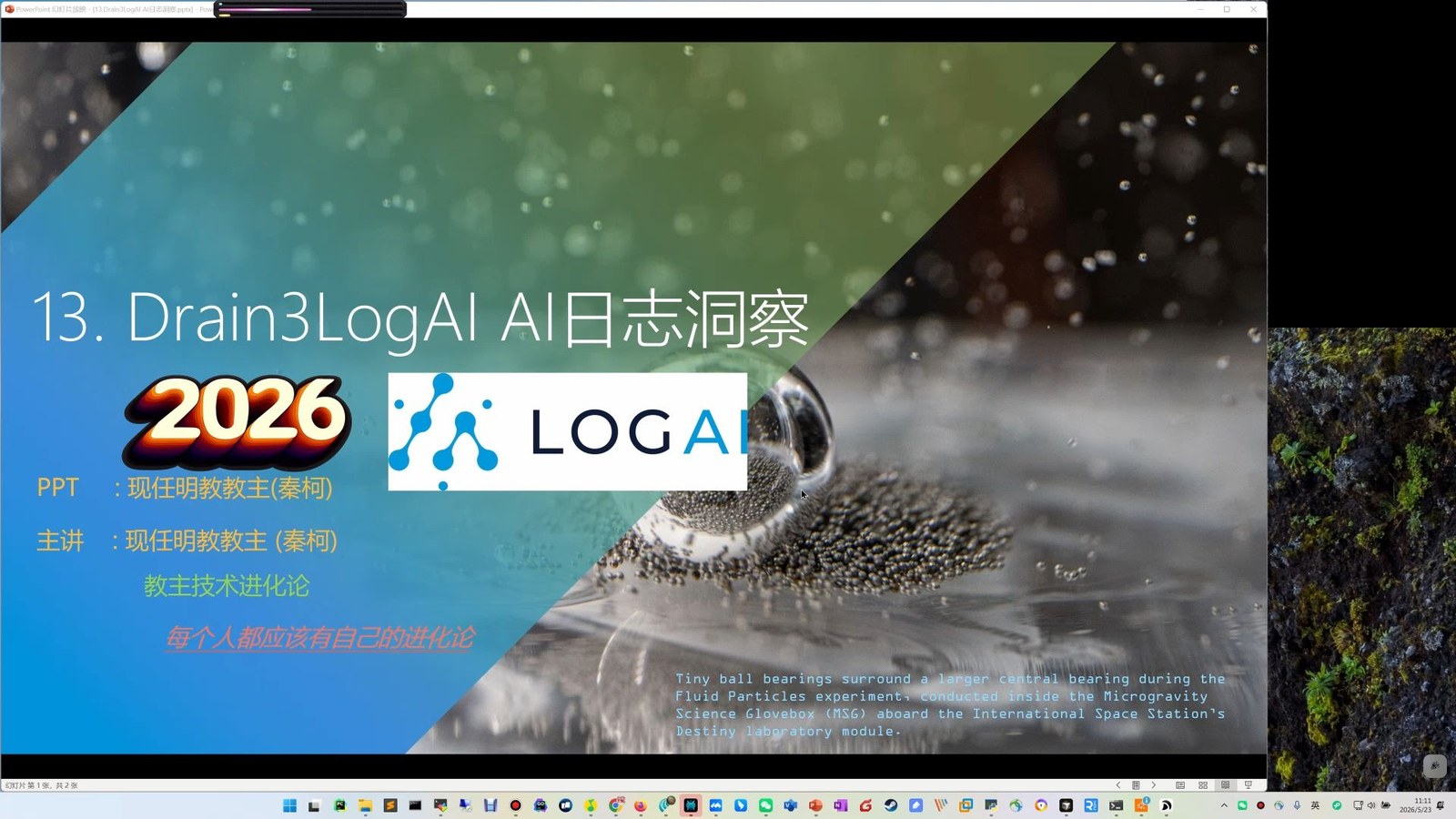
2026 · Artificial Intelligence
2026 Evolution Episode 13: AI Log Insights with Drain3 and LogAI
This episode combines Drain3 online log-template mining with LogAI analytics to turn large volumes of unstructured logs into stable templates and com…
1videos
Open course
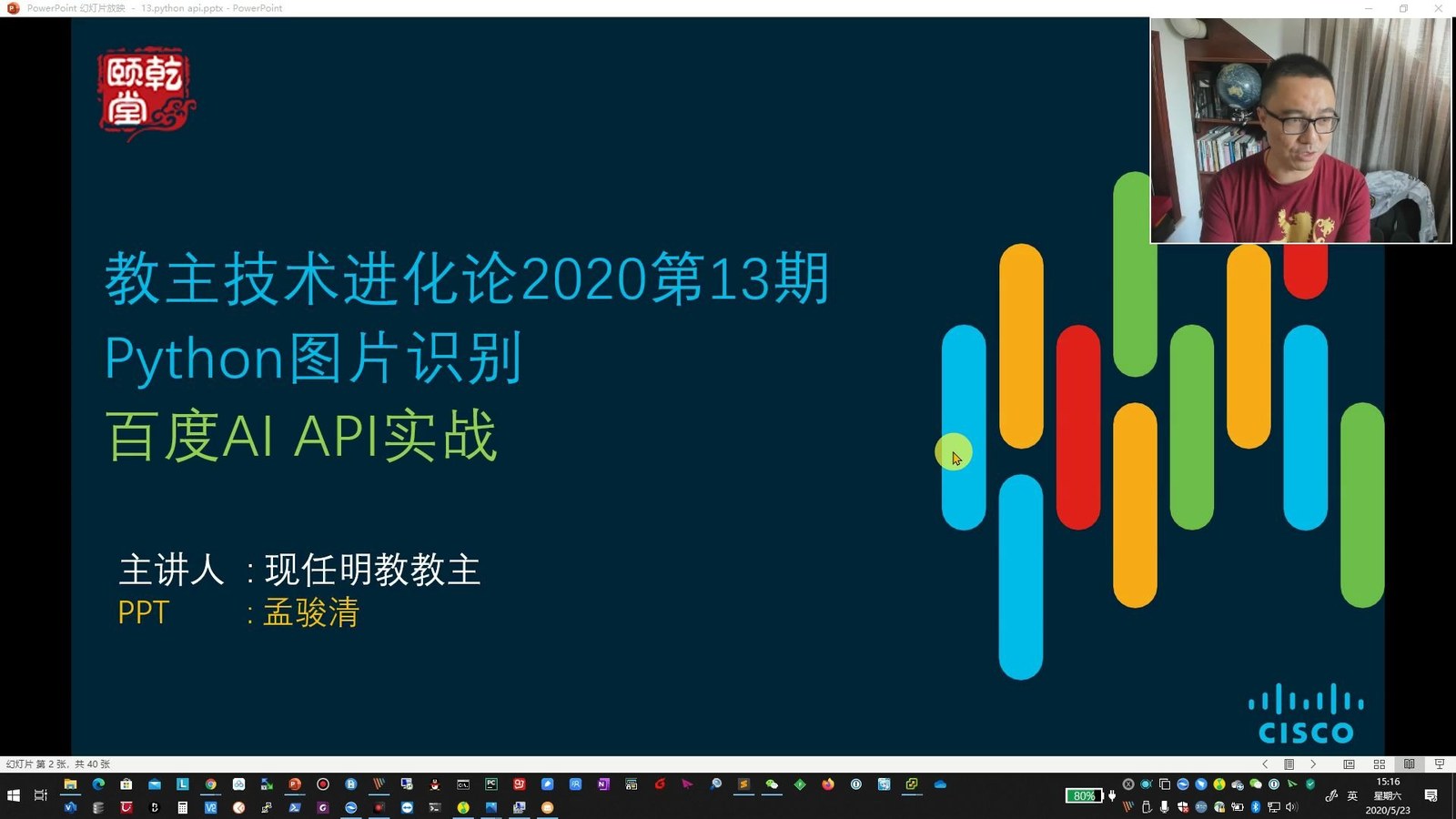
2020 · Artificial Intelligence
2020 Evolution Episode 13: Image Recognition APIs with Python
This episode calls cloud image-recognition APIs from Python, covering credentials, tokens, request encoding, image upload, JSON parsing, reusable wra…
1videos
Open course
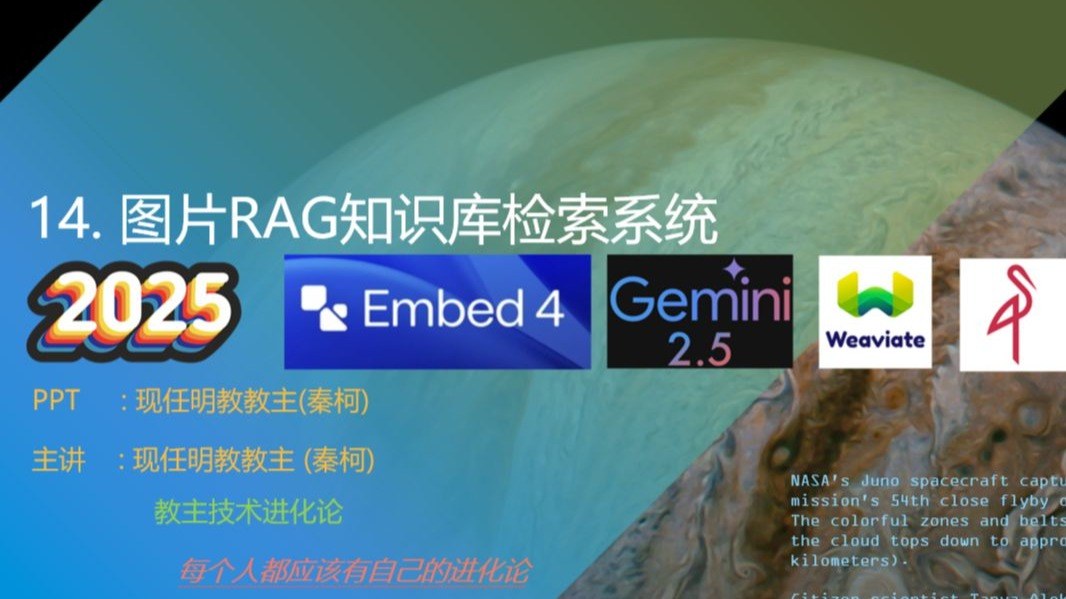
2025 · Artificial Intelligence
2025 Evolution Episode 14: Multimodal Image RAG Knowledge Retrieval
This episode develops a multimodal RAG approach for images and text, focusing on Cohere Embed 4's unified embedding space, long context, Matryoshka d…
1videos
Open course
2024 · Artificial Intelligence
2024 Evolution Episode 14: AnythingLLM Local Knowledge Bases and Multi-Agent Support
This episode deploys AnythingLLM with local knowledge bases, document ingestion, vector retrieval, model selection, workspace isolation, and multi-ag…
1videos
Open course
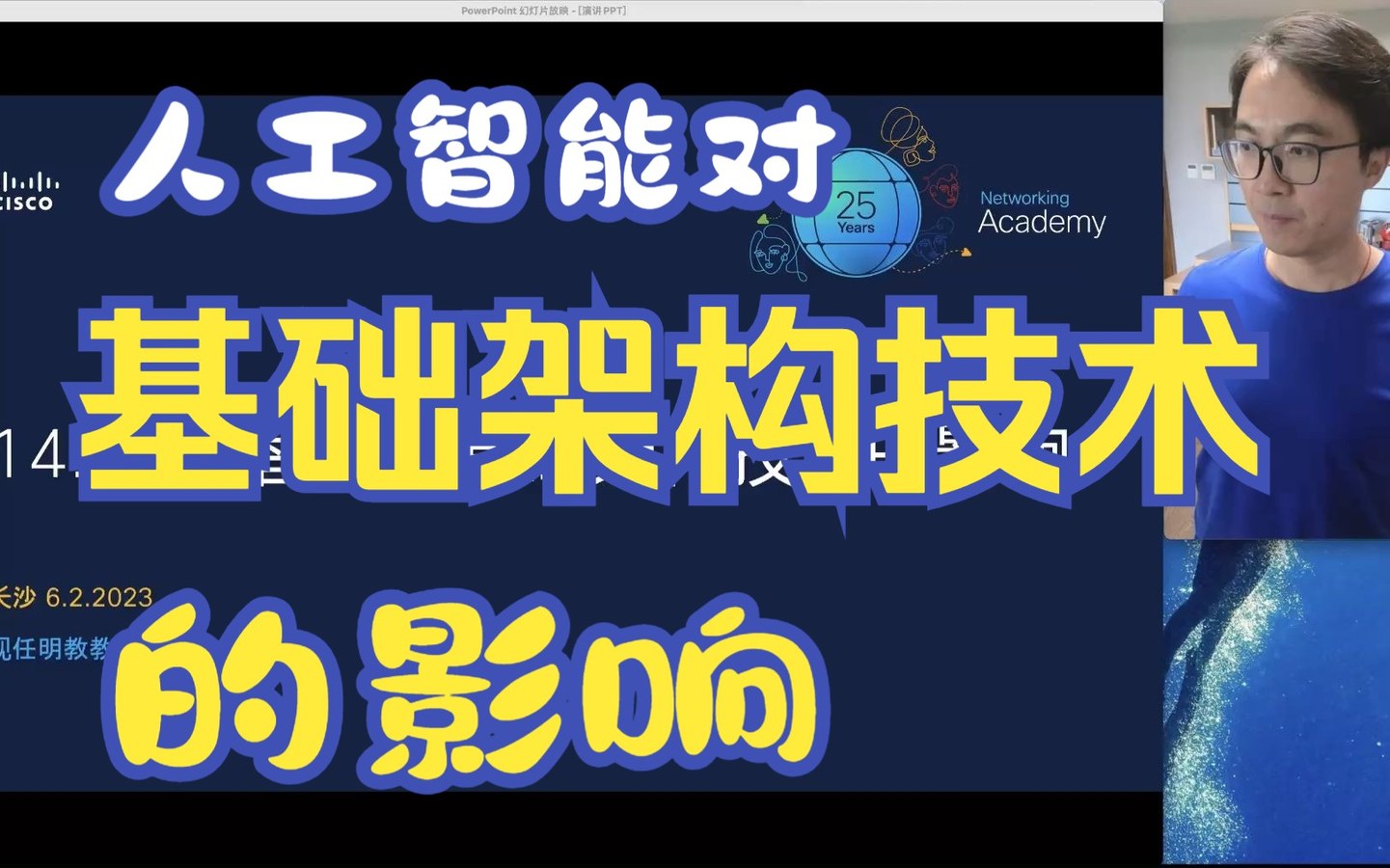
2023 · Artificial Intelligence
2023 Evolution Episode 14: How AI Changes Infrastructure Technology
This episode discusses how AI changes networking, systems, and infrastructure roles through technical assistance, configuration automation, and new s…
1videos
Open course
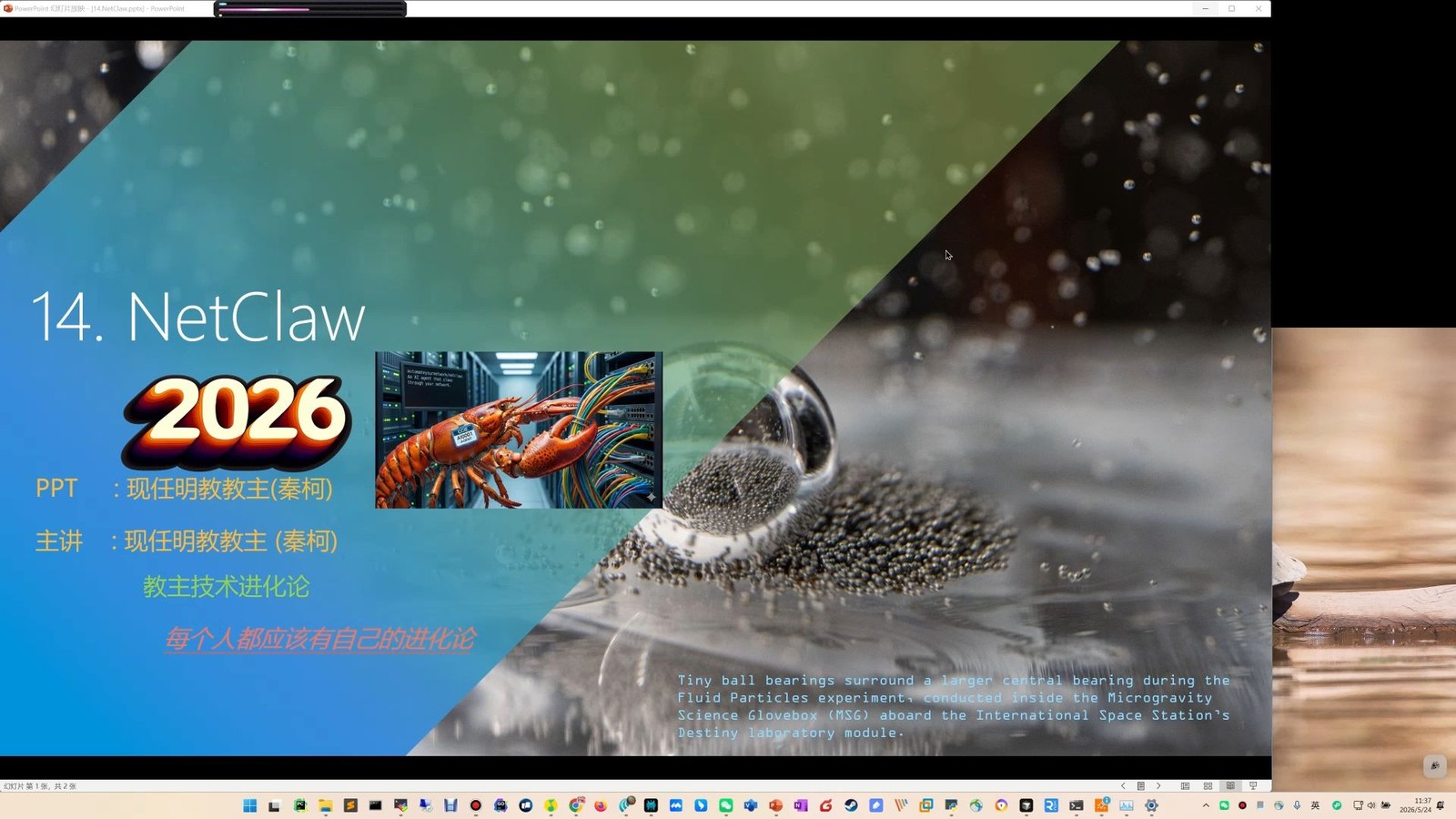
2026 · Artificial Intelligence
2026 Evolution Episode 14: NetClaw: An Agent System for Network Operations
This episode presents NetClaw as a network-operations agent that combines language models, network knowledge, tools, and controlled execution. It cov…
1videos
Open course
2025 · Artificial Intelligence
2025 Evolution Episode 15: Building Agents with Google ADK
This episode introduces Google Agent Development Kit concepts including agents, tools, sessions, runners, and multi-agent composition. Python example…
1videos
Open course
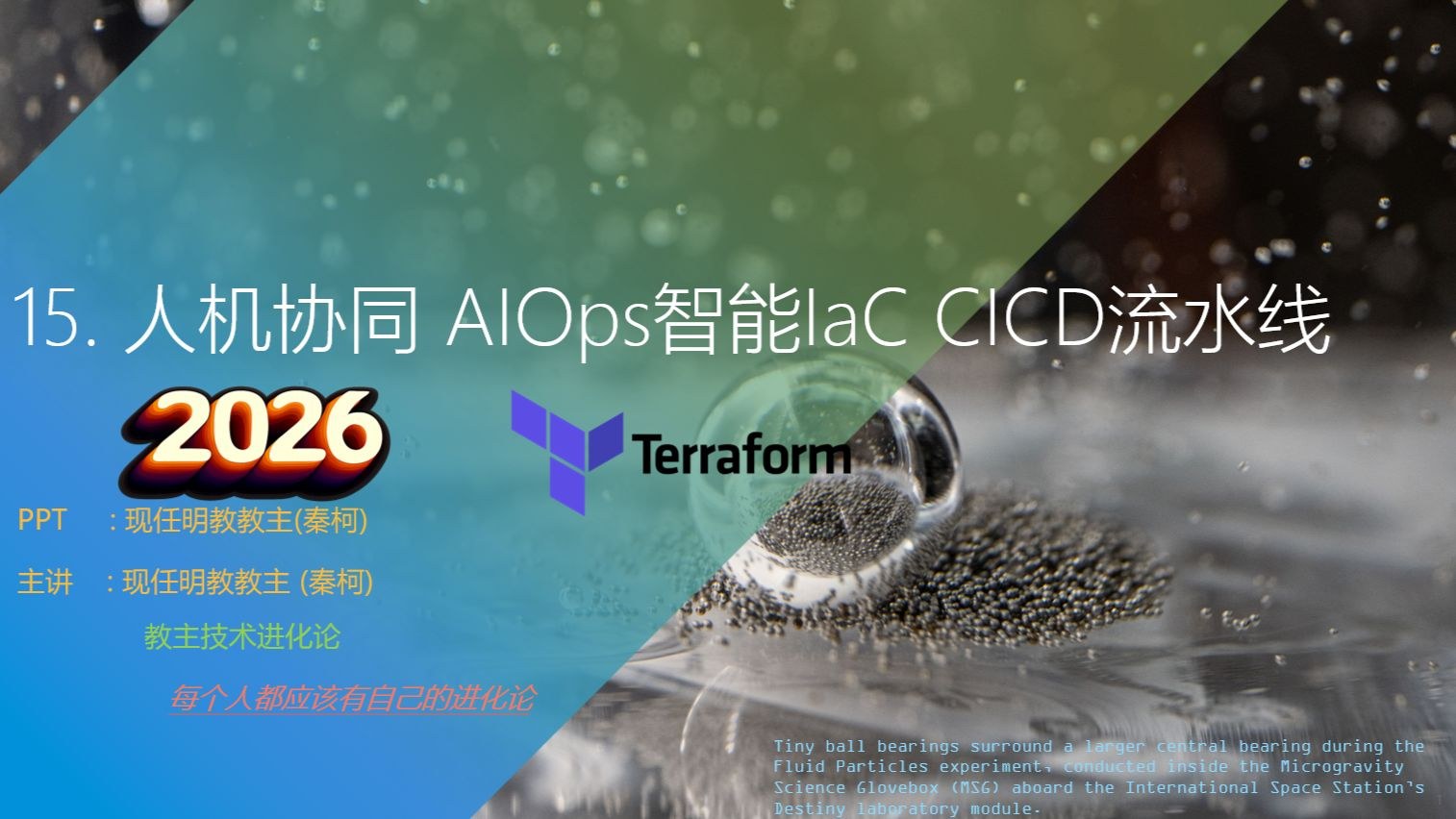
2026 · Artificial Intelligence
2026 Evolution Episode 15: Human-in-the-Loop AIOps for an IaC CI/CD Pipeline
This episode combines AI agents, Terraform infrastructure as code, and CI/CD into a human-in-the-loop change pipeline. It follows the process from re…
1videos
Open course

2024 · Artificial Intelligence
2024 Evolution Episode 16: AI Fundamentals for Network Engineers
This two-part episode builds an AI foundation for network engineers across machine learning, deep learning, generative AI, and learning paradigms, th…
2videos
Open course
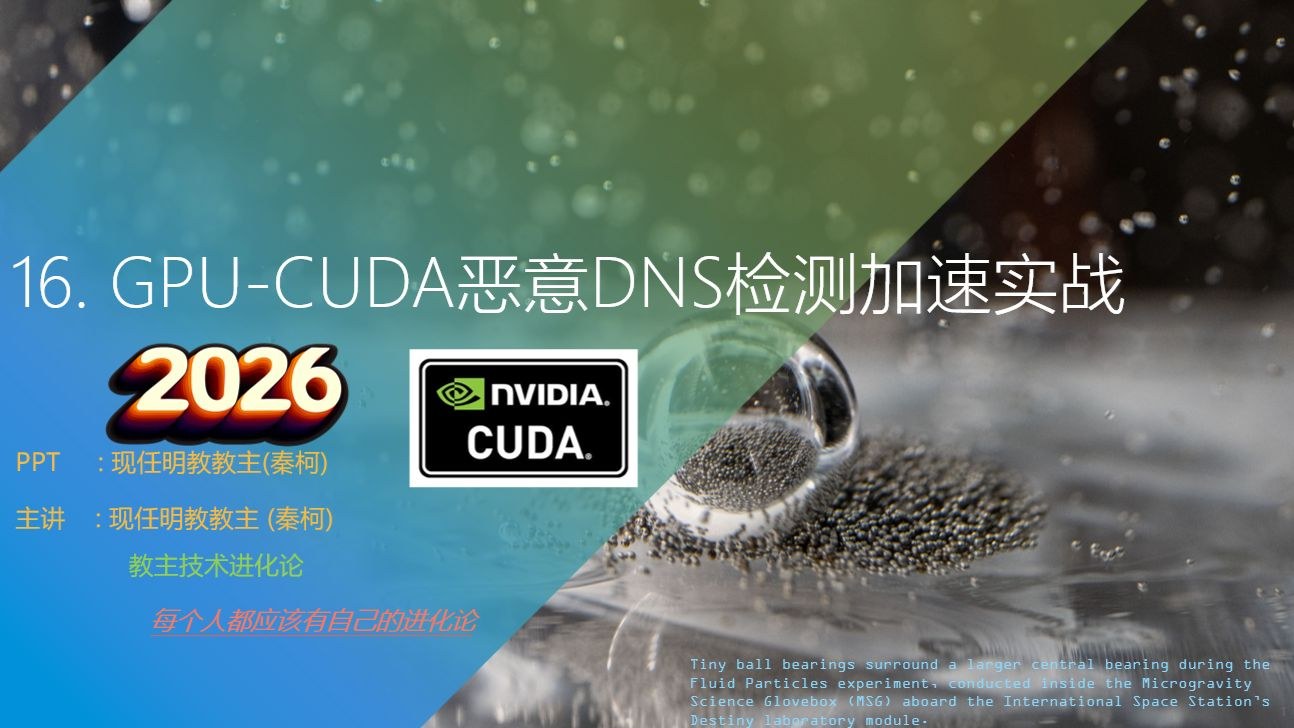
2026 · Artificial Intelligence
2026 Evolution Episode 16: GPU-CUDA Acceleration for Malicious DNS Detection
This episode accelerates PCAP and DNS analysis with GPU-CUDA. It covers parsing, feature preparation, batched parallel computation, and result aggreg…
1videos
Open course
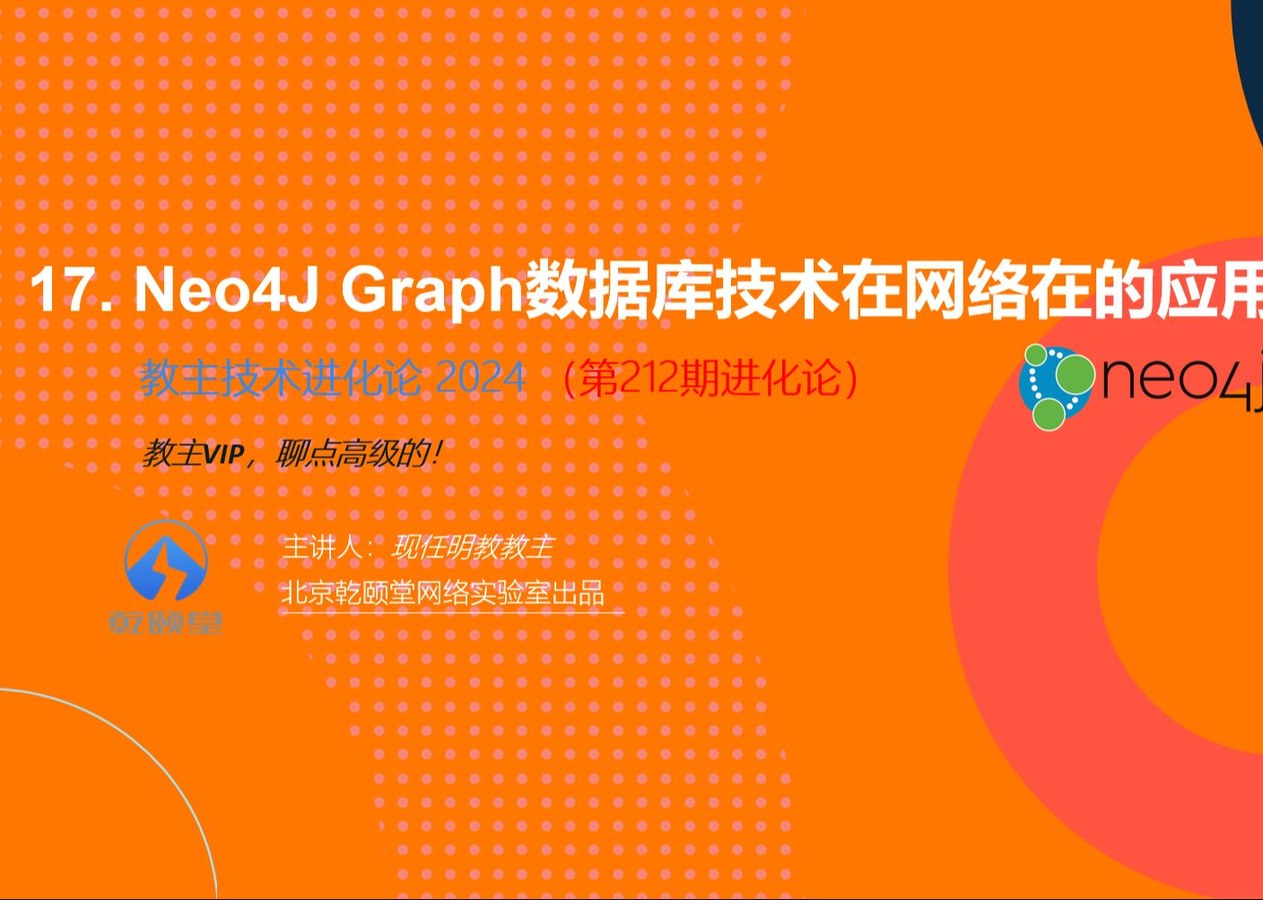
2024 · Artificial Intelligence
2024 Evolution Episode 17: Neo4j Graph Databases for Networking
This episode covers Neo4j nodes, relationships, properties, and Cypher for network topology, paths, and device modeling, then connects graph database…
1videos
Open course
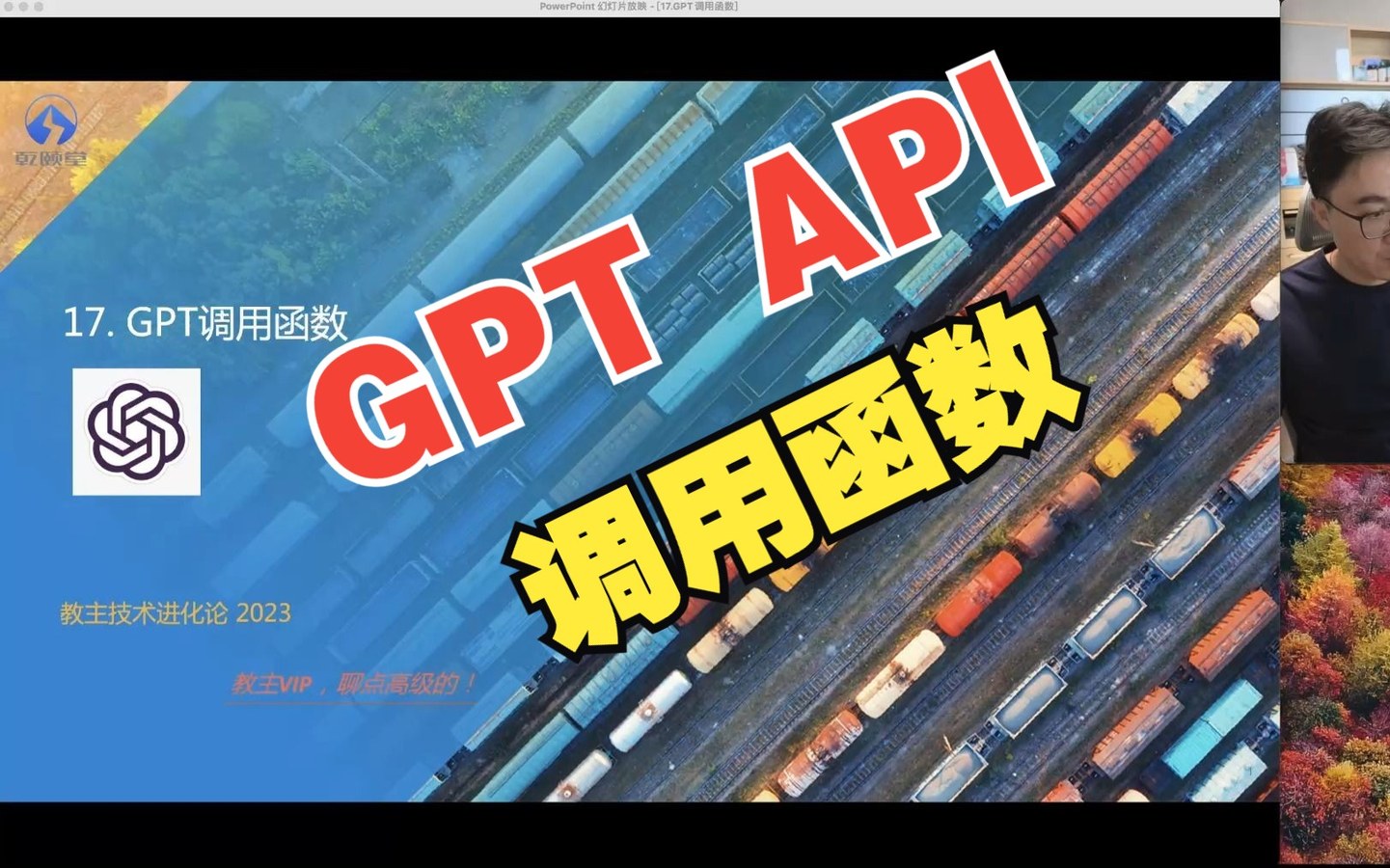
2023 · Artificial Intelligence
2023 Evolution Episode 17: Function Calling with the GPT API
This episode explains GPT function calling: declaring external tools with structured schemas, letting the model select tools and arguments, executing…
1videos
Open course
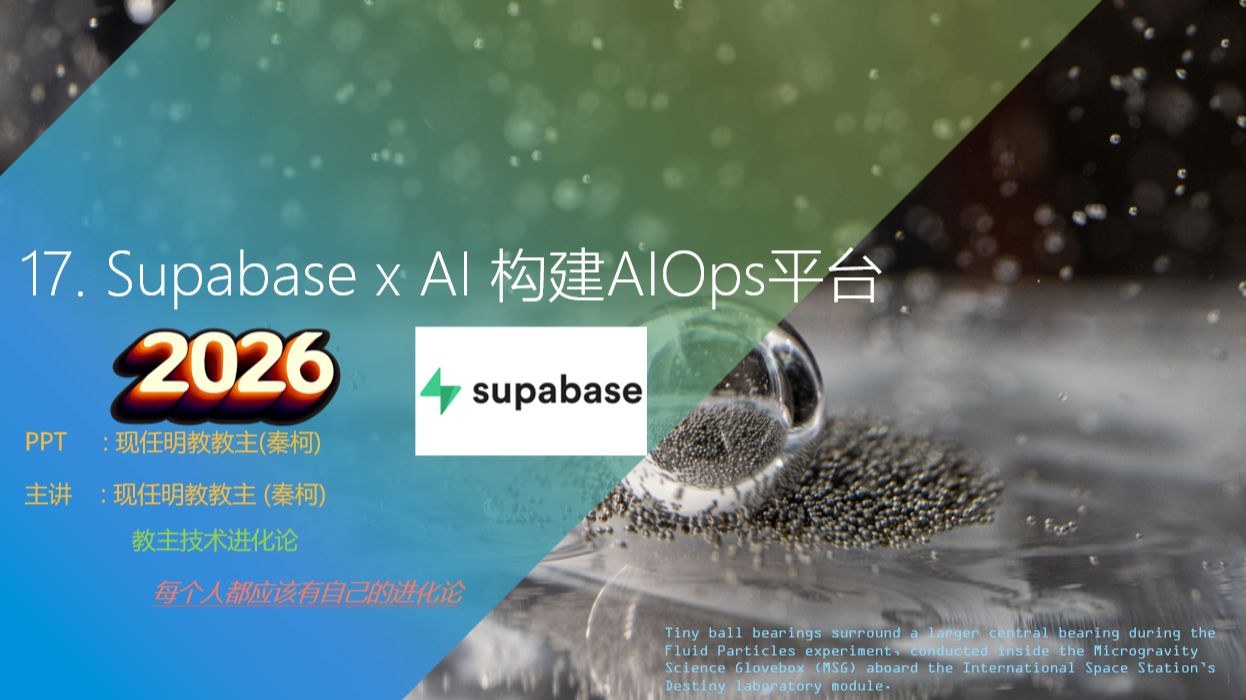
2026 · Artificial Intelligence
2026 Evolution Episode 17: Supabase and AI for an Intelligent AIOps Platform
This episode uses Supabase PostgreSQL, authentication, storage, realtime features, and APIs as the backend of an AIOps platform, then connects AI ana…
1videos
Open course
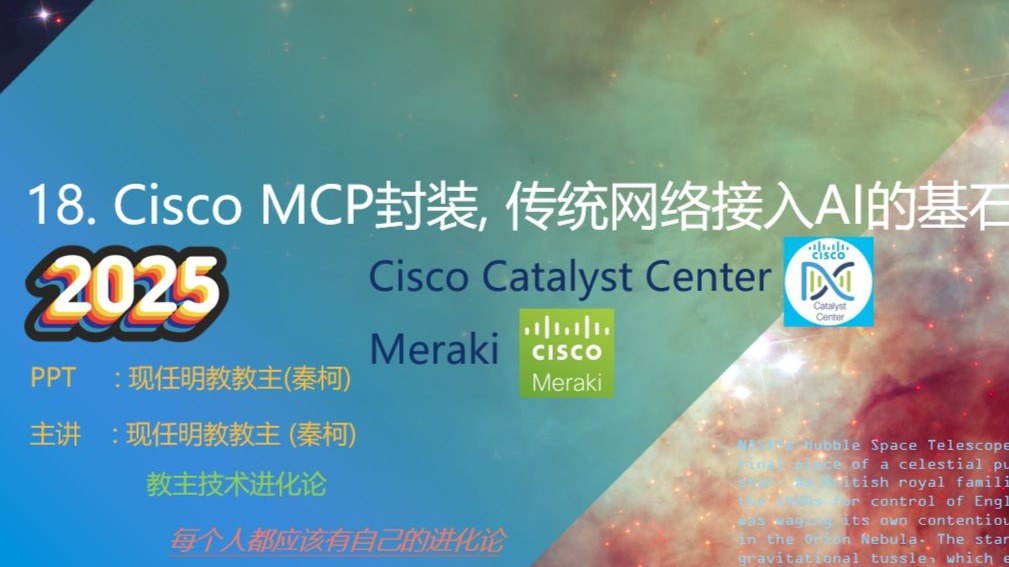
2025 · Artificial Intelligence
2025 Evolution Episode 18: Cisco MCP Wrappers: Connecting Traditional Networks to AI
This episode wraps Cisco Catalyst Center and Meraki management APIs as MCP tools so agents can query devices, inspect state, and invoke controlled op…
1videos
Open course
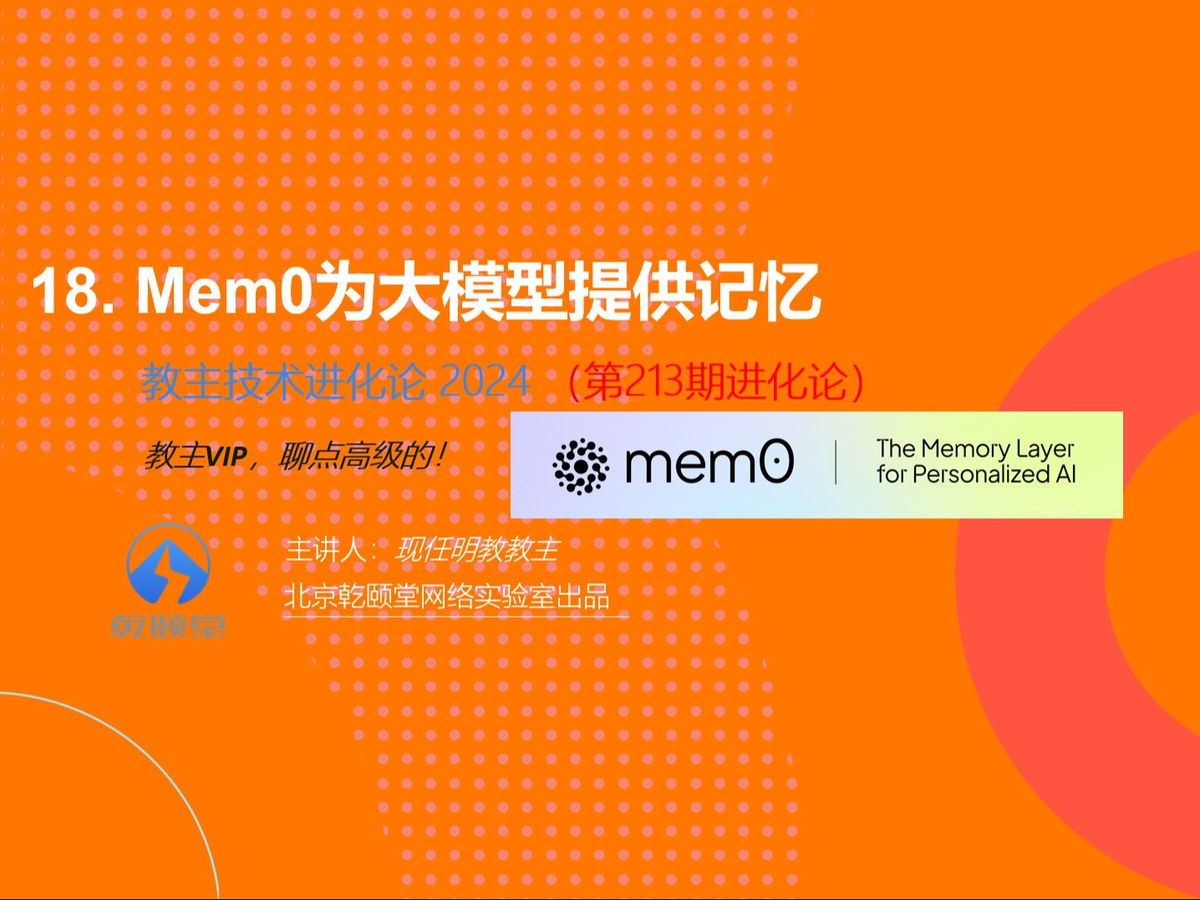
2024 · Artificial Intelligence
2024 Evolution Episode 18: Long-Term Memory for LLMs with Mem0
This episode explains Mem0's user, session, and agent memory layers, including fact and preference extraction, hybrid vector/key-value/graph storage,…
1videos
Open course
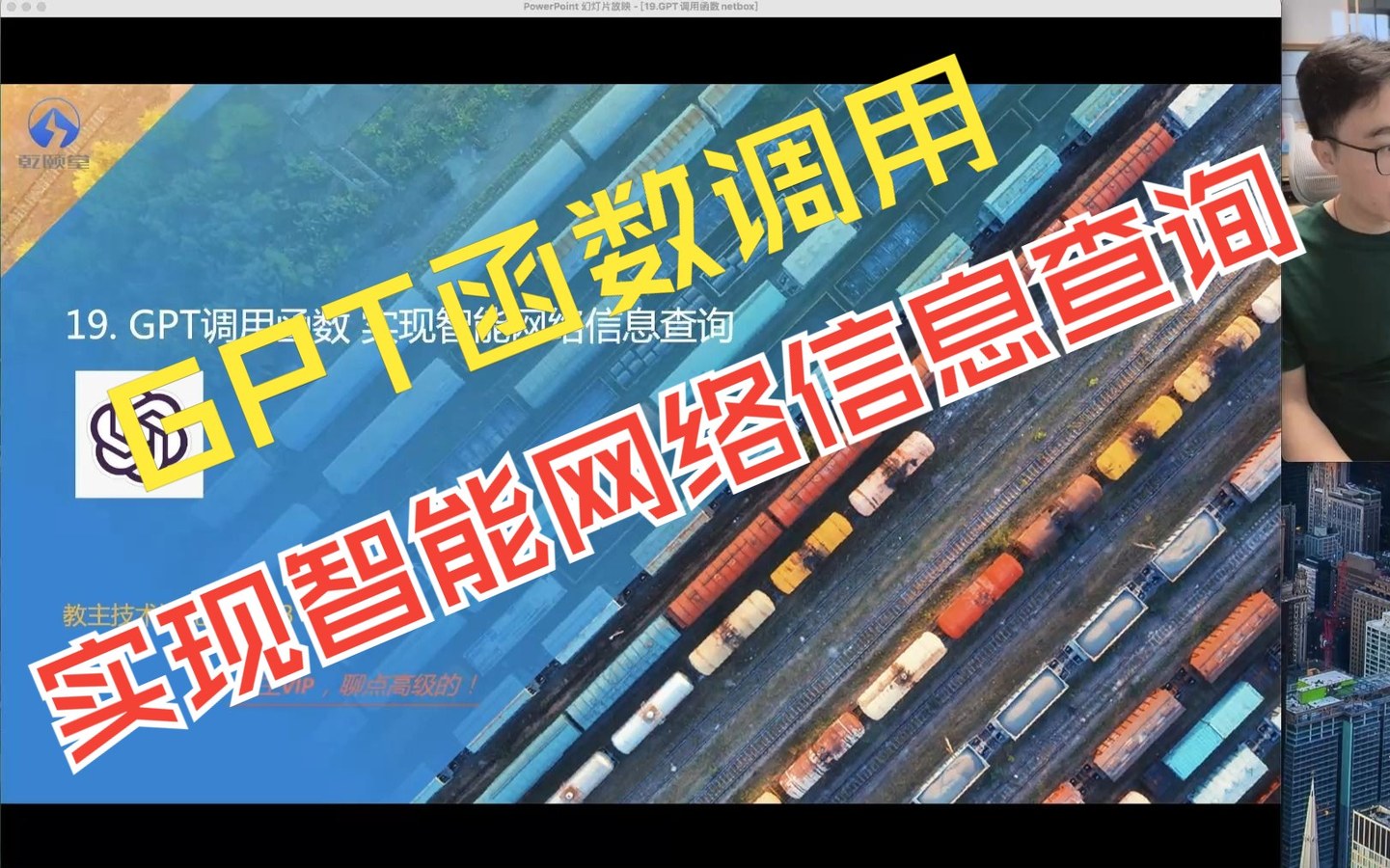
2023 · Artificial Intelligence
2023 Evolution Episode 19: Intelligent Network Queries with GPT Function Calling
This episode combines GPT function calling with network data sources such as NetBox so natural-language questions invoke deterministic query function…
1videos
Open course
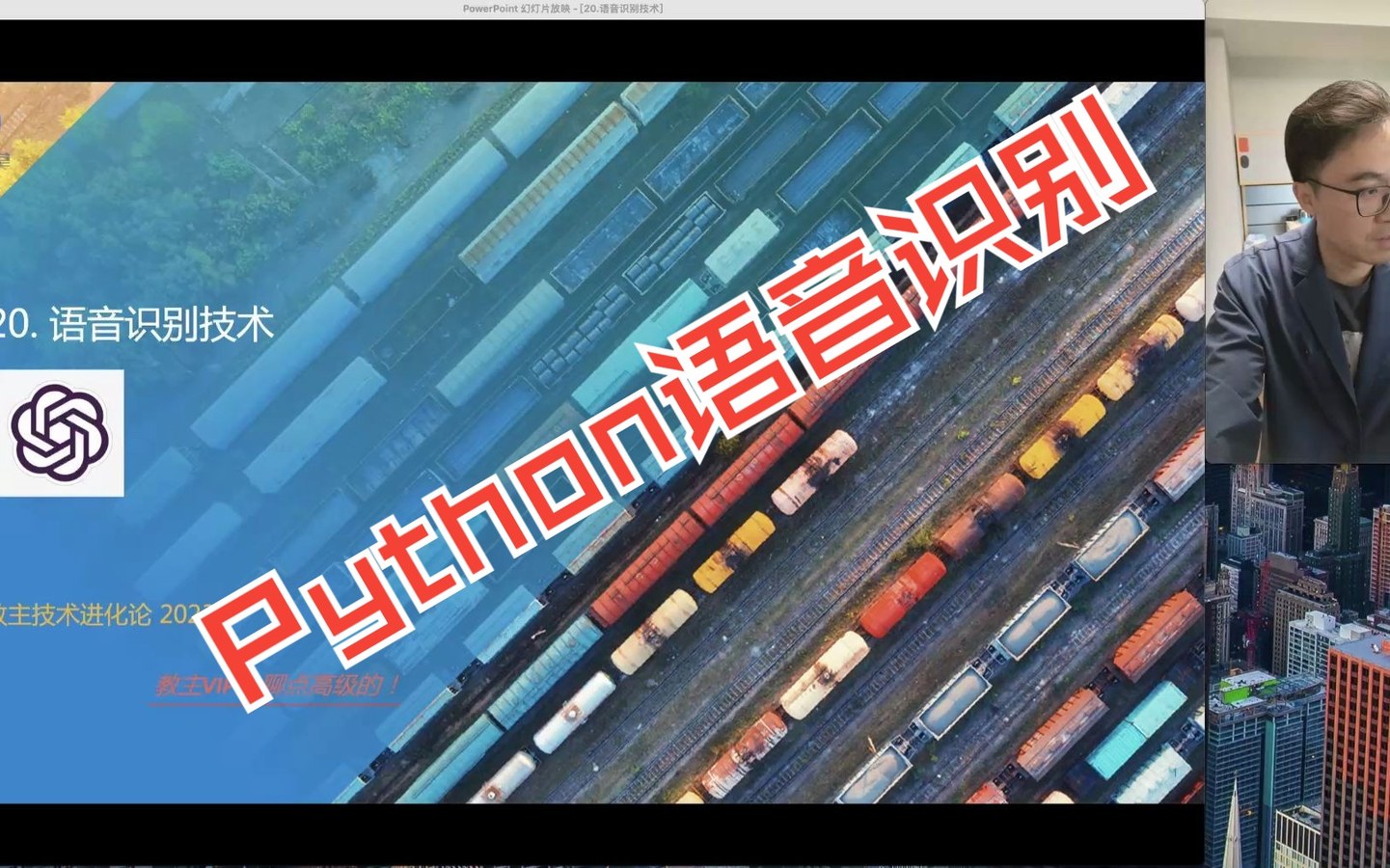
2023 · Artificial Intelligence
2023 Evolution Episode 20: Speech Recognition with Python
This episode uses Python for speech recognition, covering audio input, speech-to-text conversion, and programmatic invocation. Companion code integra…
1videos
Open course
2024 · Artificial Intelligence
2024 Evolution Episode 21: Llama Stack Unified AI Development Platform
This episode introduces Meta Llama Stack's standard APIs for inference, safety, memory, agents, evaluation, post-training, synthetic data, and provid…
1videos
Open course
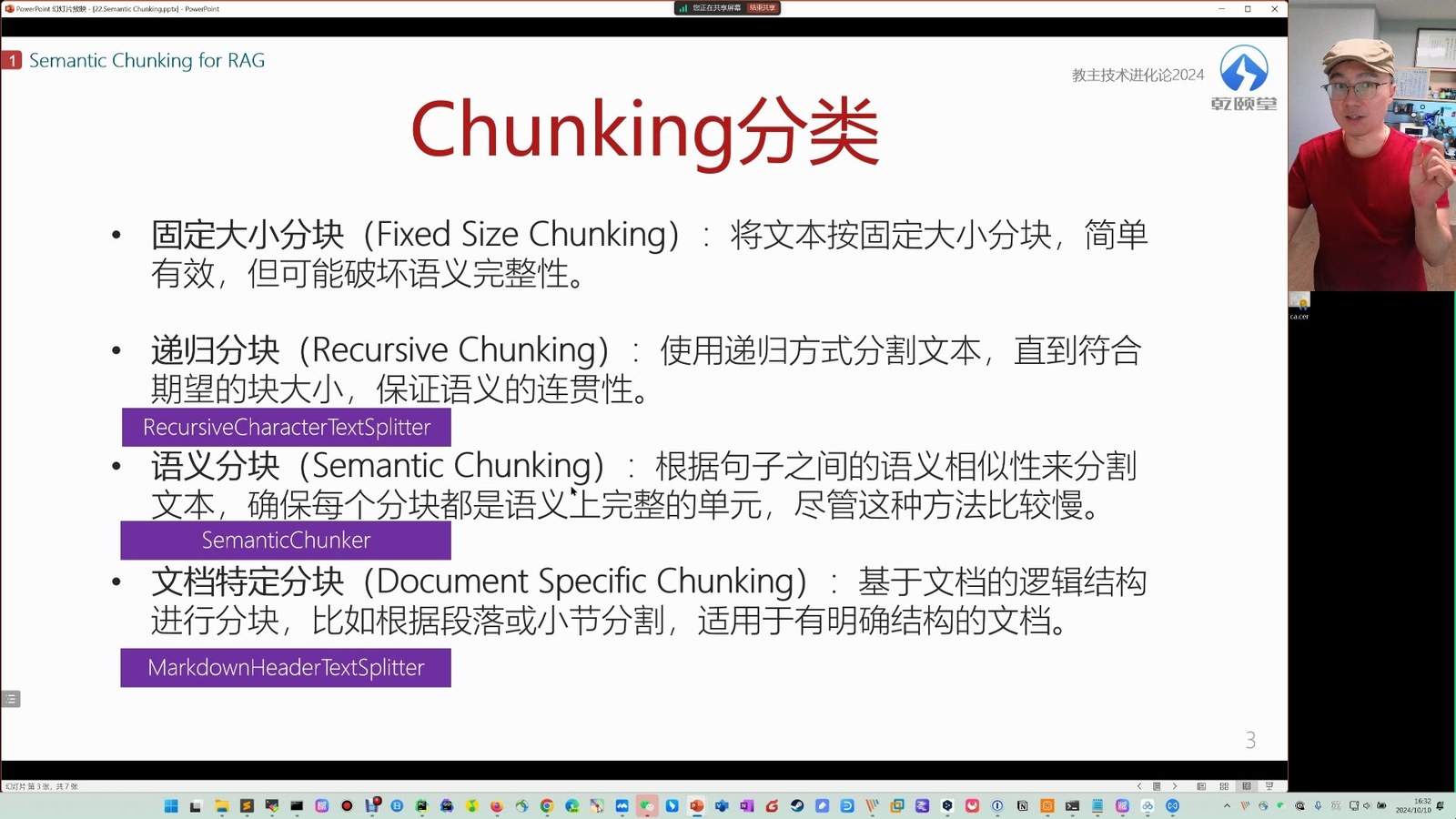
2024 · Artificial Intelligence
2024 Evolution Episode 22: Semantic Chunking for RAG
This episode compares fixed-size, recursive, document-specific, and semantic chunking, using sentence embeddings and breakpoints to preserve meaning …
1videos
Open course
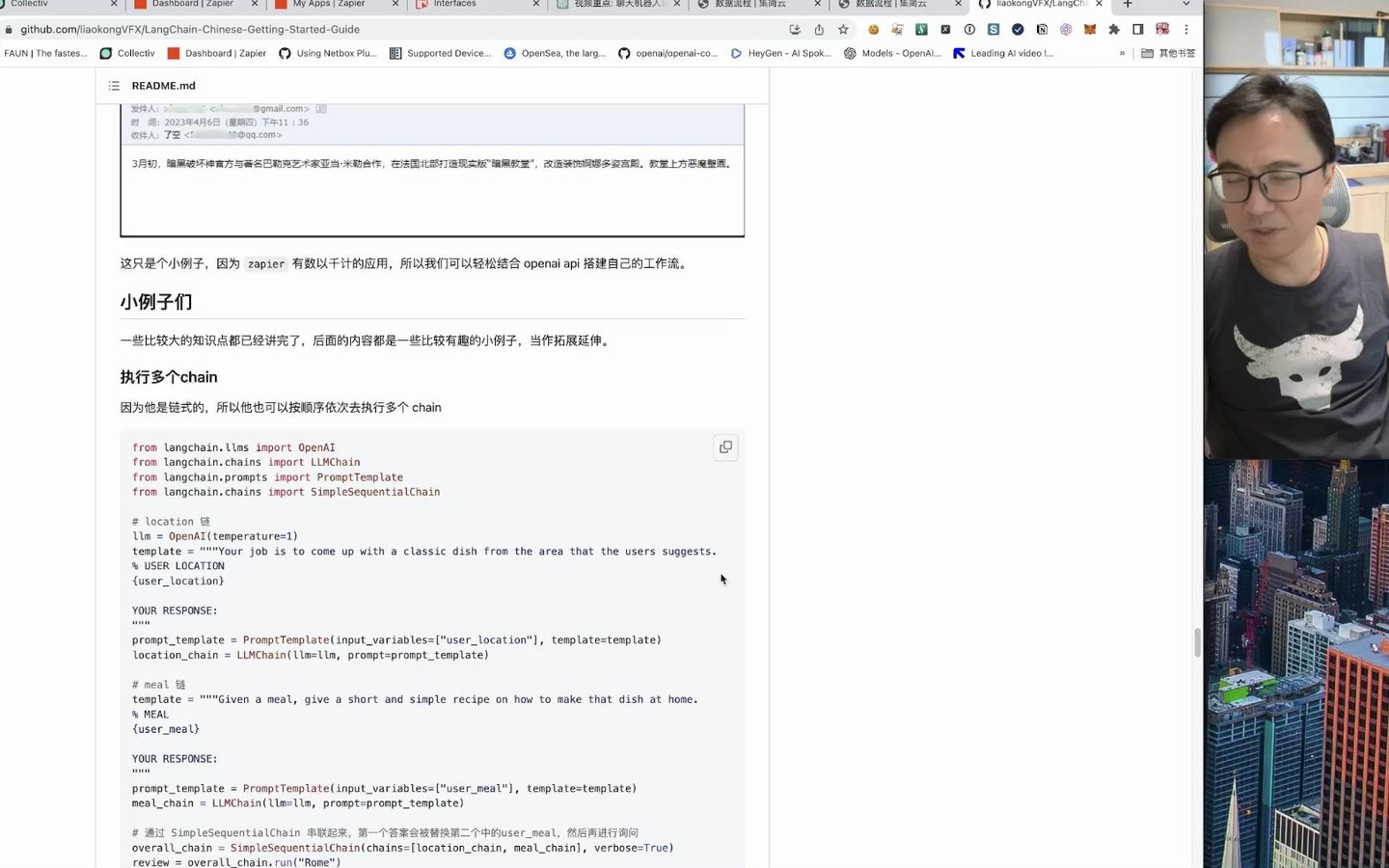
2023 · Artificial Intelligence
2023 Evolution Episode 22: LangChain and AI Application Orchestration
This episode introduces LangChain's models, prompts, chains, tools, and agents, connecting them with Zapier, GPT-4 plugins, and workflow platforms. I…
1videos
Open course
2024 · Artificial Intelligence
2024 Evolution Episode 24: Multi-Agent AIOps with OpenAI Swarm
This episode uses OpenAI Swarm agents, function tools, context variables, and handoffs to build a lightweight multi-agent AIOps workflow for fault an…
1videos
Open course

2024 · Artificial Intelligence
2024 Evolution Episode 25: AI Automation Triggered by Metrics and Logs
This episode builds a closed-loop AIOps workflow where metric alerts and logs trigger context collection, AI diagnosis, and controlled automation too…
2videos
Open course
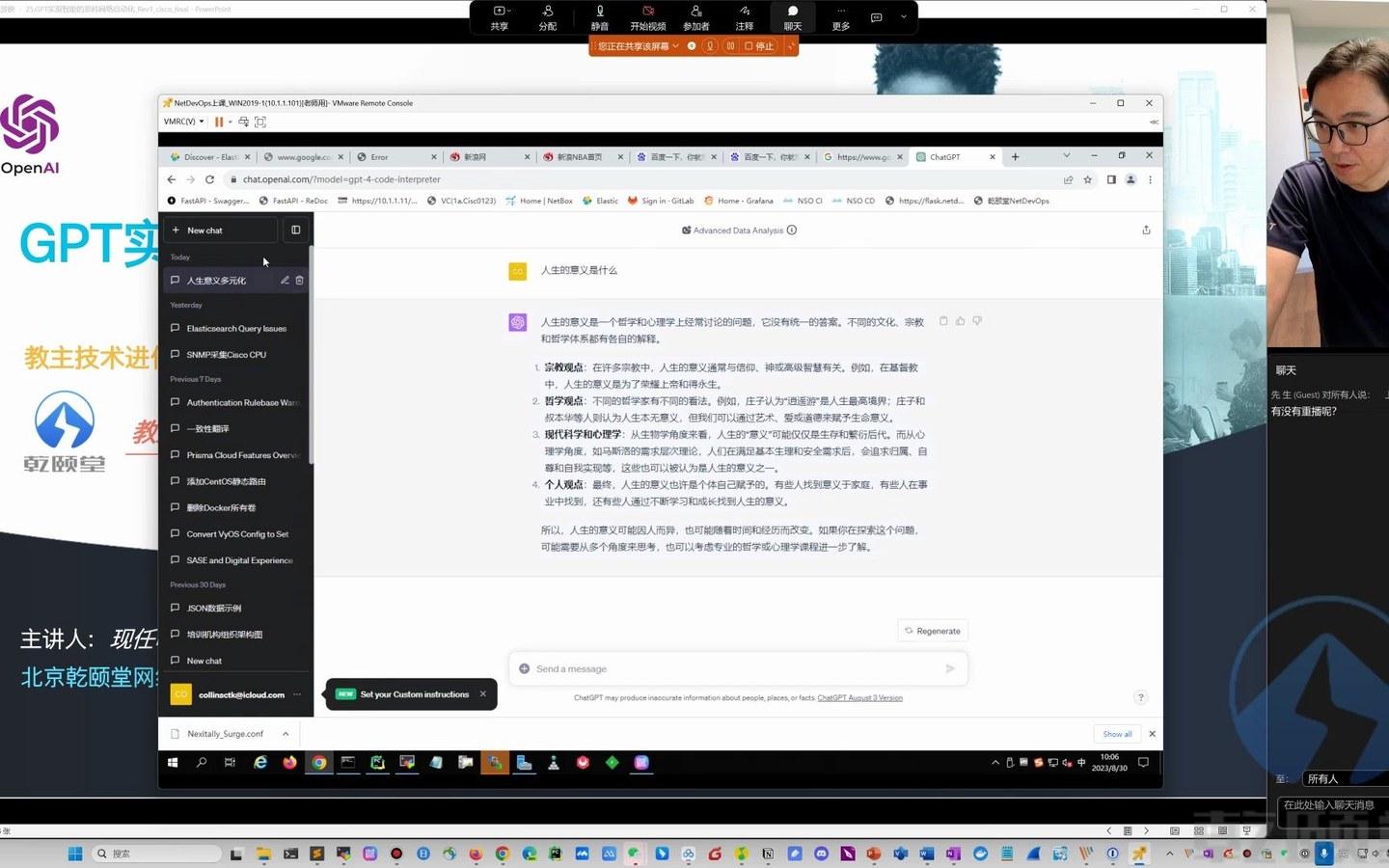
2023 · Artificial Intelligence
2023 Evolution Episode 25: Intelligent Cisco Network Automation with GPT
This episode combines GPT-4 function calling with NetBox, PyATS, and Elastic logs to build a Cisco network-automation assistant. Device, interface, O…
1videos
Open course
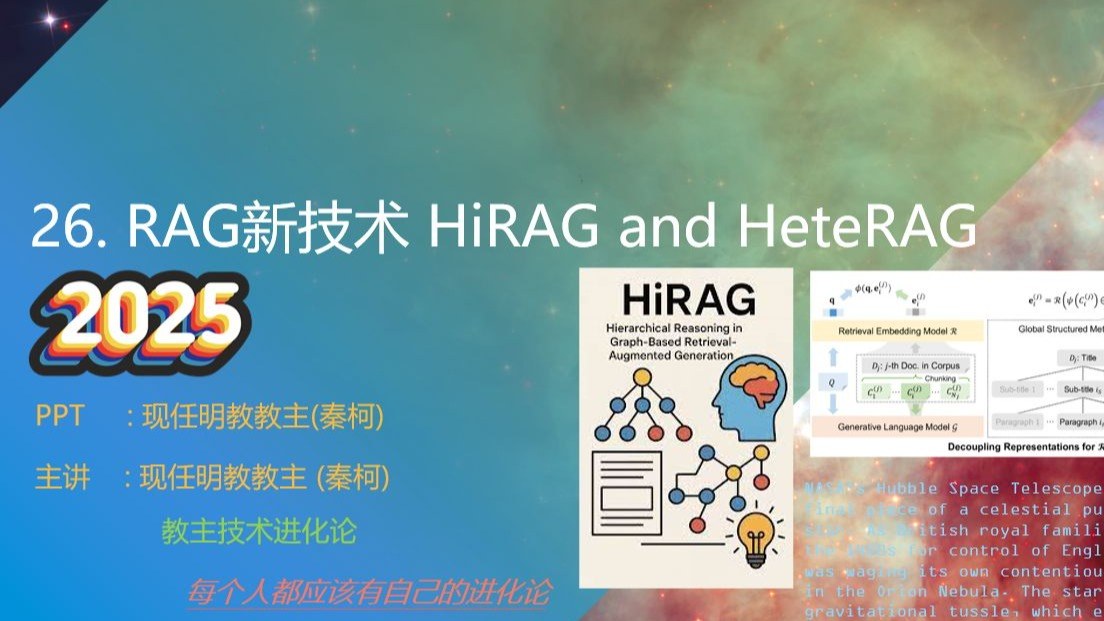
2025 · Artificial Intelligence
2025 Evolution Episode 26: New RAG Techniques: HiRAG and HeteRAG
This episode compares two newer RAG approaches. HiRAG reduces noise and hallucination through hierarchical retrieval, selection, composition, and rea…
1videos
Open course
2025 · Artificial Intelligence
2025 Evolution Episode 29: Dify Low-Code AI Application Platform
This episode covers Dify model management, prompt applications, workflow orchestration, knowledge-base RAG, tool calls, and publishing. It combines m…
1videos
Open course
2025 · Artificial Intelligence
2025 Evolution Episode 30: LangChain Deep Agents for Complex Troubleshooting
This episode introduces LangChain Deep Agents for complex, long-running work through planning and TODOs, subagents, filesystem tools, context managem…
1videos
Open course
No matching courses in this table.
